Sports Nutrition
Nutrition Before Cycling Training or a Race
What to eat before training and racing, and when.
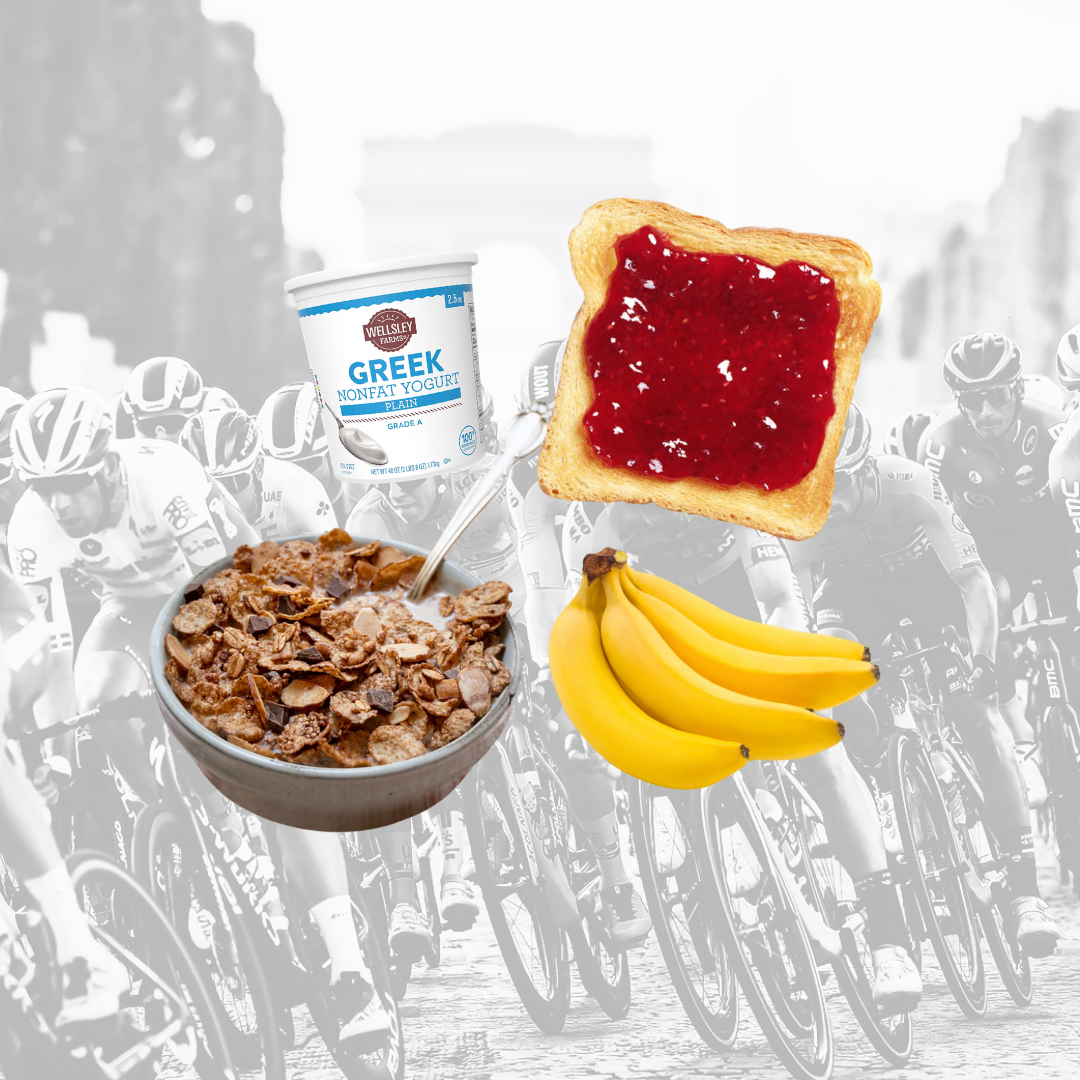
Proper nutrition before cycling training or a race is crucial for optimal performance and preventing fatigue. The food we consume before exercise directly affects our energy levels during physical activity, so it is important to carefully plan our meals. In addition, choosing the right nutrients can help reduce the risk of gastrointestinal problems during exercise. In the following sections, I will describe in more detail how to best prepare the body with appropriate nutrition before cycling training or a race.
Carbohydrate Loading Before Exercise
Carbohydrate loading before a race is crucial for achieving optimal performance. As Burke et al. (2011) mention, energy intake should be increased during the hours or even days before a race, depending on the duration and intensity of the exercise. During high-intensity exercise, where carbohydrate requirements are highest, it is particularly important to consume enough carbohydrates. Glycogen stores are most effectively replenished when carbohydrates are consumed in several smaller meals throughout the day, but more on this another time.
Pre-Exercise Meal
The last larger meal before a race or intense training session should be consumed 3–4 hours before the start of the activity. This allows enough time for digestion and helps prevent potential gastrointestinal problems during exercise.
The pre-exercise meal should contain an adequate amount of carbohydrates, with a recommended intake of 1–4 g/kg of body weight, an appropriate amount of protein, and a smaller proportion of fat. Protein intake should be approximately 15–25 g, which helps maintain muscle mass during longer or more intense efforts and supports recovery after training. The amount of fat in this meal should be relatively low, as fat slows digestion and could potentially lead to gastrointestinal problems during exercise. For the same reason, it is also advisable to limit the intake of complex foods and fiber.
The main goal of the pre-exercise meal is to provide enough energy and nutrients while maintaining a feeling of satiety without placing excessive stress on the digestive system. Despite general guidelines, the amount and type of food consumed before exercise should be adapted to the individual, as athletes differ from one another and what works for one person may not work equally well for another.
I have often noticed that some athletes consume an excessively large meal before training that they are not accustomed to, essentially “stuffing themselves” because they believe it will help them perform better. As a result, the food may not be properly digested or digested in time, causing them to feel worse and ultimately reducing their performance during exercise.
Nutrition Immediately Before Exercise
If a small snack before exercise does not cause gastrointestinal problems, it is recommended to consume approximately 30 g of carbohydrates during the final hour before training or a race, in addition to the larger meal consumed 3–4 hours beforehand.
It is best to focus on simple carbohydrates, ideally in liquid form. This allows for a rapid increase in energy availability while also reducing the risk of gastrointestinal problems.
Example of a Pre-Exercise Meal
Example for a 70 kg athlete (1–4 g/kg body weight = 70–280 g of carbohydrates):
Oatmeal with Banana
Ingredients:
120 g oats (source of carbohydrates + protein)
1 large banana (source of carbohydrates)
200 ml milk or plant-based drink (source of carbohydrates, protein and fat)
1 tablespoon peanut butter (source of fat)
Macronutrient content:
Carbohydrates: ~130 g
Protein: ~15–20 g
Fat: ~10–12 g
Conclusion
For optimal performance during cycling training or a race, appropriate nutrition is crucial. On the day of competition, it is recommended to consume a meal rich in carbohydrates, with a moderate amount of protein and less fat, to ensure sufficient energy availability and help prevent gastrointestinal problems. Adapting the type and amount of nutrients to individual needs and the type of exercise can help achieve the best results and improve athletic performance.
References
- 1. Burke, L. M., Hawley, J. A., Wong, S. H. S., & Jeukendrup, A. E. (2011). Carbohydrates for training and competition. Journal of Sports Sciences, 29(sup1), S17–S27. https://doi.org/10.1080/02640414.2011.585473
- 2. Rosenbloom, C. (2012). Food and Fluid Guidelines Before, During, and After Exercise. Nutrition Today, 47(2), 63–69. https://doi.org/10.1097/NT.0b013e31824c5cb8